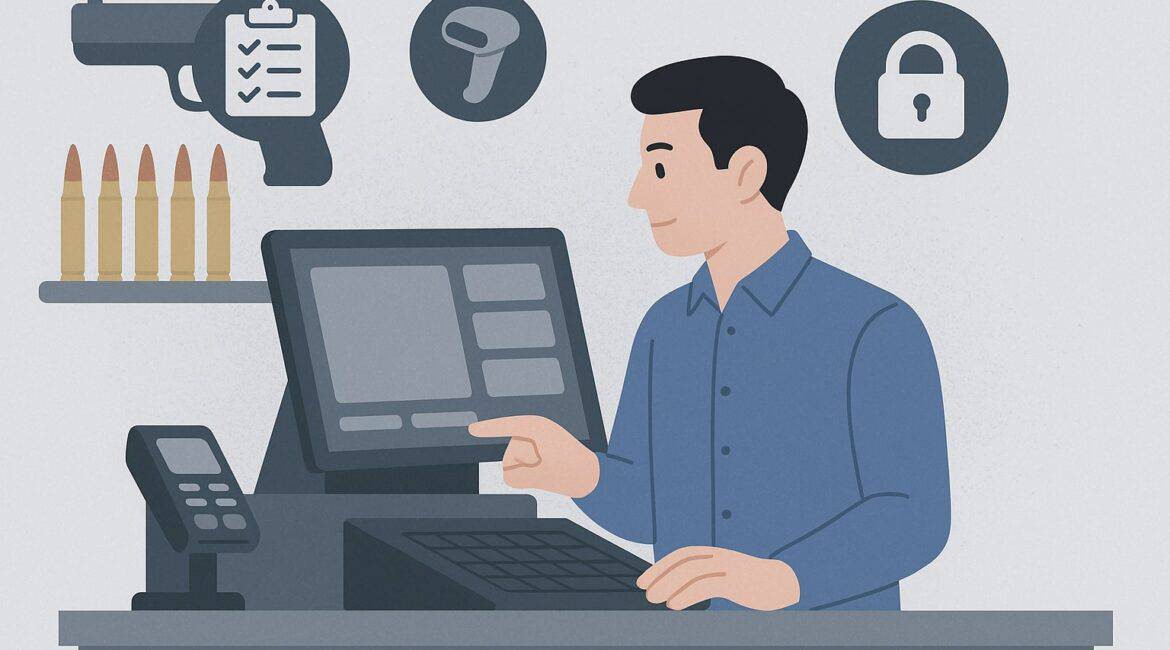
Running a firearms retail business in the U.S. is very different from running a typical retail store. You’re not just selling products; you’re managing serialized inventory, complying with ATF recordkeeping rules, navigating background checks, and staying ready for an audit any day. That’s why the Gun Shop POS Features You...
Chargeback Prevention for Online Ammunition Sellers

Chargeback prevention for online ammunition sellers is about much more than stopping fraud. In the United States, it’s also about strict firearms-related regulations, card-network scrutiny, and the reality that ammo merchants are treated as “high-risk” by banks and processors. A single spike in disputes can put your merchant account, cash...
Common Chargeback Reasons in the Firearm Industry
Chargebacks are a constant headache for firearm retailers, FFLs, gunsmiths, and online gun shops in the United States. Because the firearm industry is already labeled as high-risk by banks and card brands, even a relatively small spike in disputes can trigger higher fees, reserve requirements, or full termination of your...
How Gun Shops Can Avoid Chargebacks
Running a firearm business in the U.S. already comes with intense regulation, compliance requirements, and reputational risk. Add chargebacks on top of that, and profit margins can disappear fast. Understanding how gun shops can avoid chargebacks is critical if you want to protect your FFL, keep your payment processing stable,...
PCI Compliance Requirements for Firearm Merchants
PCI compliance requirements for firearm merchants are stricter, more closely scrutinized, and more business-critical than ever. In the US, gun stores, FFL dealers, online firearms retailers, and shooting ranges already operate in a highly regulated environment. Layering PCI DSS v4.0 on top of ATF rules, age-verification laws, and high-risk processing...
EMV vs NFC Payments in the Firearm Industry
EMV vs NFC payments in the firearm industry are no longer a “nice-to-have” topic. For Federal Firearms Licensees (FFLs), gun shop owners, indoor ranges, online accessory retailers, and gunsmiths across the U.S., how you accept cards has become a core part of compliance, risk management, and customer experience. Over the...
Choosing an EMV-Compliant Terminal for Firearm Sales
Choosing the right EMV-compliant terminal for firearm sales isn’t just a tech decision – it’s a compliance, risk, and reputation decision. As an FFL in the United States, you operate in one of the most heavily scrutinized industries. A poorly chosen terminal or processor can mean declined transactions, frozen funds,...
EMV Compliance for FFL Dealers: Why It Matters
EMV compliance for FFL dealers is no longer just a “nice-to-have” technology decision. In the U.S., EMV chip card standards, the 2015 liability shift, and the high-risk nature of firearm sales all collide at your checkout counter. If you run a gun store, pawn shop with firearms, gunsmithing business, or...
How to Reduce Payment Processing Costs for Firearm Businesses
Reducing payment processing costs for firearm businesses is one of the fastest ways to improve margins without selling a single extra gun, accessory, or box of ammo. Because firearm businesses are treated as “high risk” by many banks and processors, they often pay higher fees, face more reserves, and deal...
Payment Processing Tips for Firearm Retailers and Online Gun Sellers
Payment processing for firearms is not like running a typical retail store. Firearm retailers and online gun sellers must navigate federal and state laws, high-risk banking rules, evolving card-network policies, and new data-security standards, all while keeping checkouts fast and customer-friendly. This guide gives practical payment processing tips for firearm...